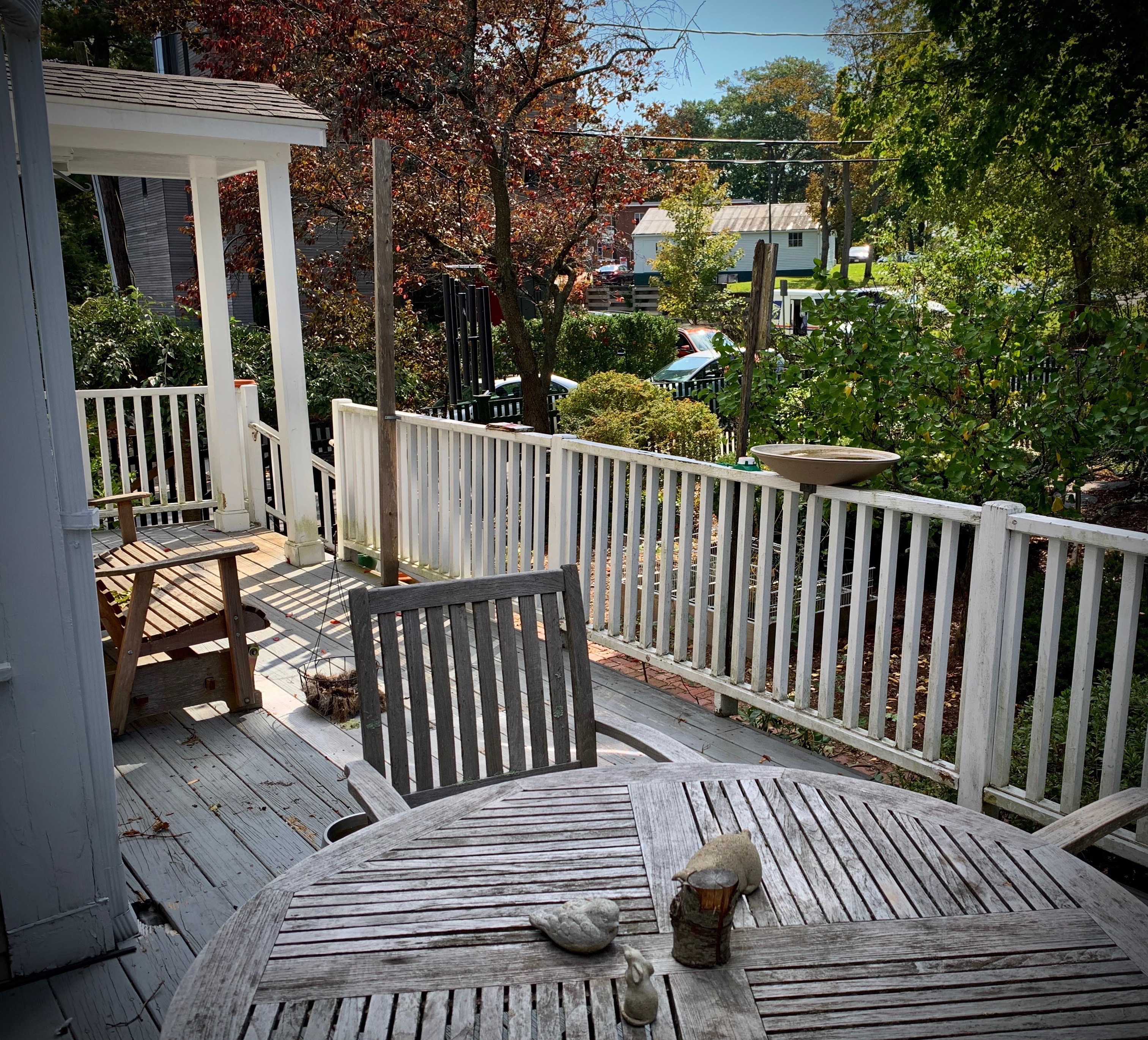
In Cambridge again,
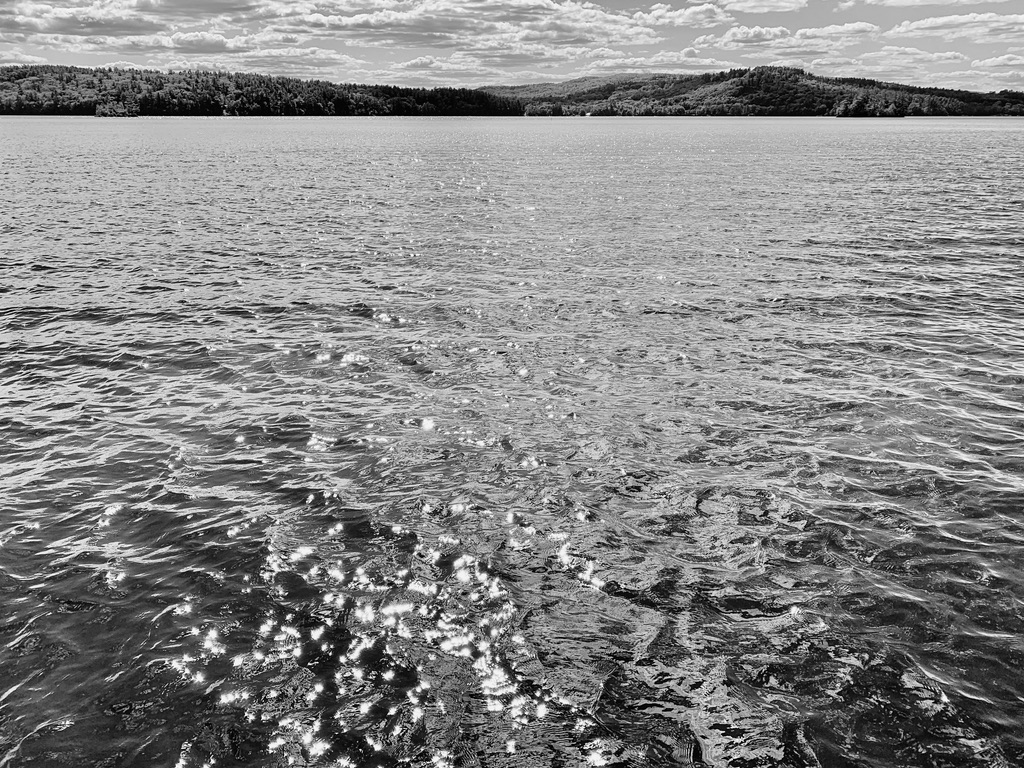
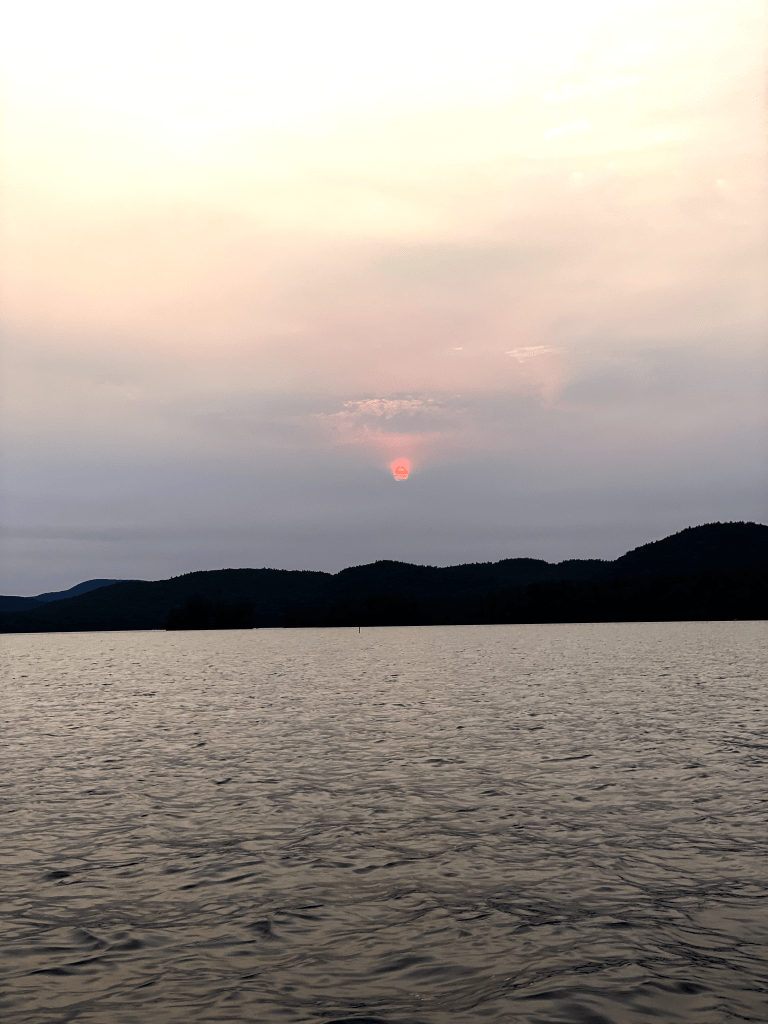
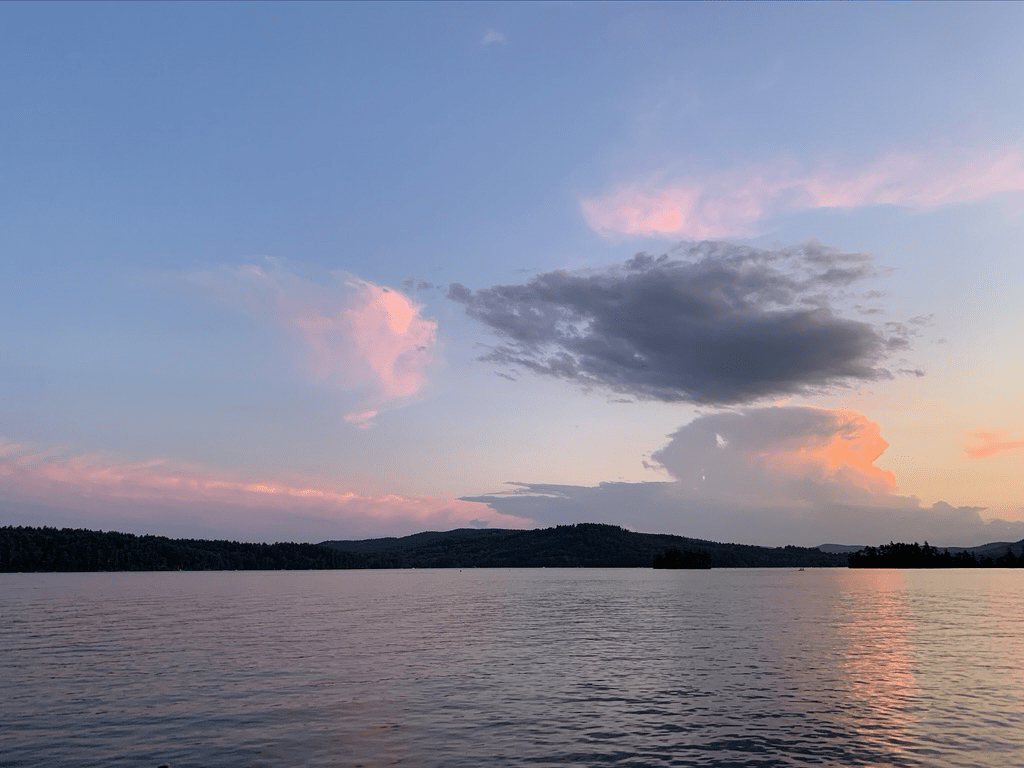
The blissful presence of the lake
Now accessible through memory alone.
My surroundings now, even empty,
Are full of what they might contain
Implied by how they are designed for that containment.
Roads, sidewalks, buildings,
The trappings that make their roles possible,
Wires, signs, signals
And groups of people
Police, city officials, property owners
Designating and constraining use
And shaping meaning.
The lake’s limitless horizons
The mountains, boulders
And even the small rocks
Are revelatory of the forces
Beyond our control
That brought about them—and us.
But those forces have too limited a presence
In our lives here in the city.
On reflection one can sense
What underlies the urban artifact:
The waterways, the topography,
Insistent outcroppings of rock
Slopes impossible to inhabit,
But also its strategic location
In the larger landscape
And ultimately the kinds and qualities of lives
It affords and the roles it can play.
At best there could be a melding
Of nature and intent,
Where the city could inspire,
Beyond the necessary purposes it must fulfill,
A more profound way to build on
Nature’s forces, strength, and beauty
While enabling the gathering of people and lives
To reach even more satisfying
Levels of achievement
And ways of being.


 Aaltoe's Blog